5 Simple Tips: How to Care for Your Dentures
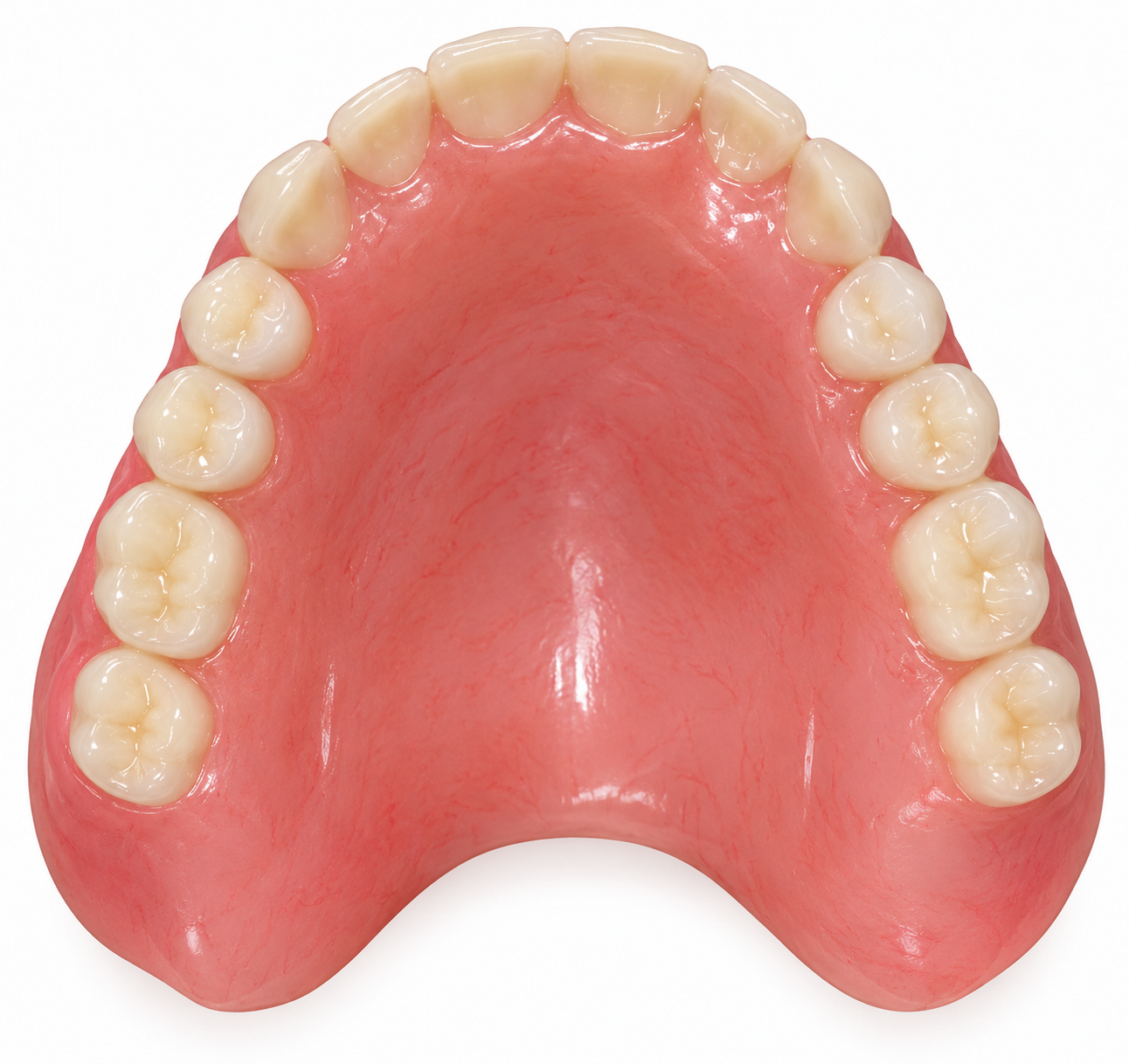
Caring for your dentures can be fuss-free and easy.
Tip 1: Clean Your Dentures Every Day 🪥
Remove and rinse your dentures after meals
Brush your dentures at least once daily using a soft-bristle denture brush and soap
Avoid using regular toothpaste as it can scratch the denture surface
Denture cleaning tablets can be a helpful addition to the routine
Tip 2: Give Your Gums a Rest at Night 🌙
Remove your dentures before sleeping
Continue with regular dental oral hygiene routine before bed
Tip 3: Store Your Dentures Properly 💧
Store your dentures in a container or somewhere safe when not using
Avoid contacting your denture with hot or boiling water
Tip 4: Avoid Trying to Fix Loose Dentures Yourself
Over time, the shape of your gums and jawbone naturally changes. As a result, dentures that once fitted comfortably may gradually become loose.
If this happens, don't try to adjust your dentures yourself or use household glue to repair them.
Depending on their condition, your dentist may recommend adjusting, relining, repairing or replacing your dentures.
Tip 5: Don't Forget Your Regular Dental Check-ups 🦷
Even if you have no natural teeth remaining, your dentist can still examine your soft tissues for signs of irritation, infection or unusual changes.
Regular dental visits also allow your dentist to check the fit and condition of your dentures, helping to identify problems before they become more uncomfortable.
If you notice a persistent mouth ulcer, swelling, unusual red or white patches, or pain when wearing your dentures, arrange a dental assessment rather than waiting for your next routine appointment.
A Healthy Smile at Every Age
Dentures can make a meaningful difference to your quality of life, helping you enjoy meals, communicate comfortably and smile with confidence.
With proper daily cleaning, appropriate storage and regular dental reviews, you can help keep your dentures in good condition and your mouth healthy for years to come.
Please note that this article is intended for general educational purposes and is based on clinical experience and current scientific evidence.