Invisalign vs Zenyum: How To Choose Between Clear Aligner Brands
Introduction
For decades, Align Technology, the manufacturer of Invisalign, stood as the dominant force in the clear aligner industry. The company did not merely participate in shaping modern clear aligner therapy - it largely defined it. During this period, several key patents allowed Invisalign to maintain what was effectively a near-monopoly within the aligner market.
Around late 2017, some of these important patents began to expire, marking a major turning point for the industry. What was once dominated by a single global player rapidly evolved into a highly competitive market filled with new aligner brands, all claiming to move teeth better, faster or cheaper than the next.
For patients today, choosing between clear aligner brands can be confusing. On the surface, many brands appear similar - essentially just a set of clear plastic trays. So how should one choose the right aligner system?
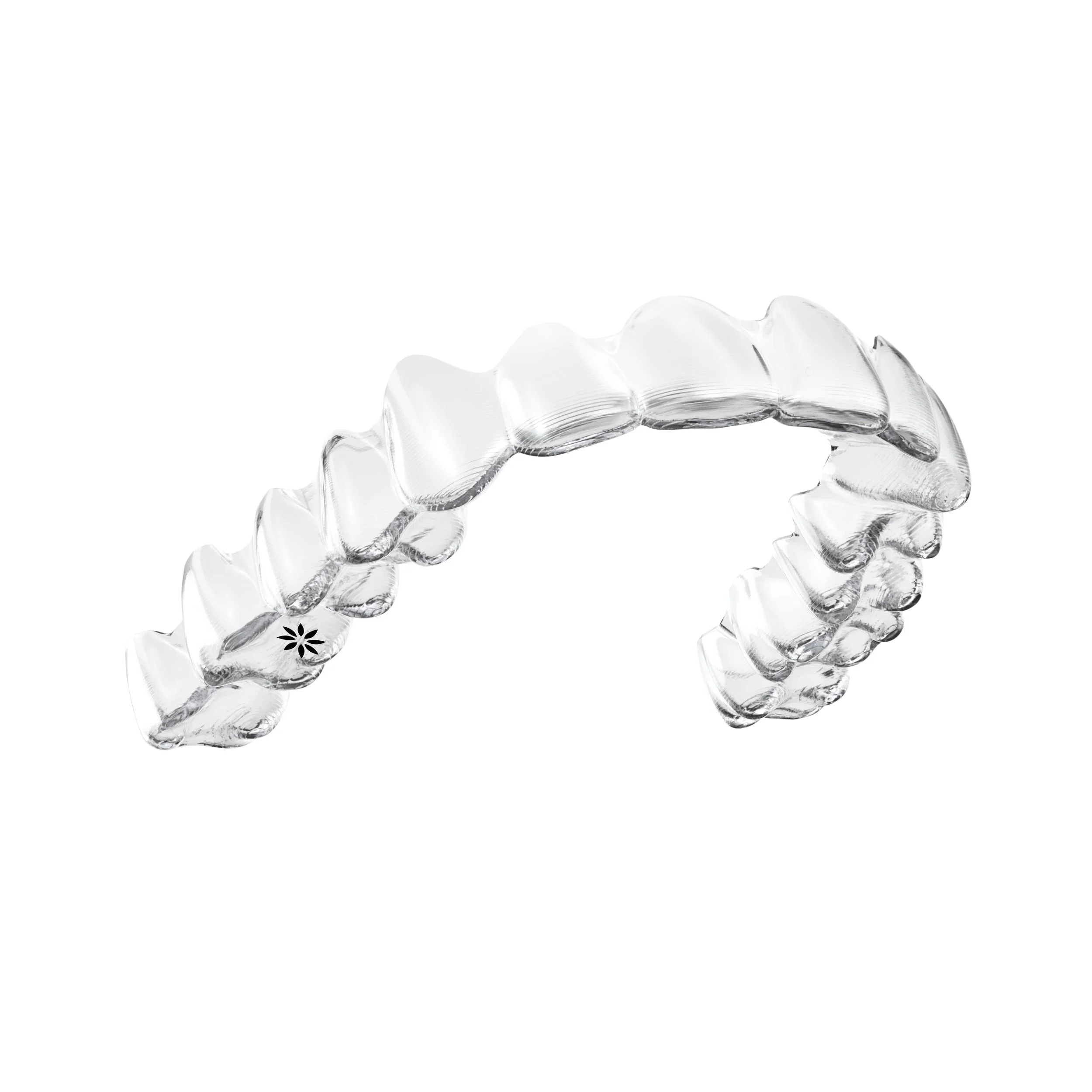
What Determines a Good Treatment Outcome?
In reality, successful treatment outcomes depend on several factors, including:
the complexity of the case,
your treatment goals,
whether the aligner system is capable of producing the required tooth movements,
and the experience of the treating doctor.
This article aims to provide a clearer understanding of the differences between modern clear aligner systems, and how to determine which option may be most suitable for you.
Over the past 10 years of clinical practice, I have used many different aligner systems - from premium global brands to very basic clinic-made aligners. To simplify the discussion, I will focus mainly on aligner systems that I currently use more frequently in clinical practice.
Comparison: Invisalign vs Zenyum vs Smartee
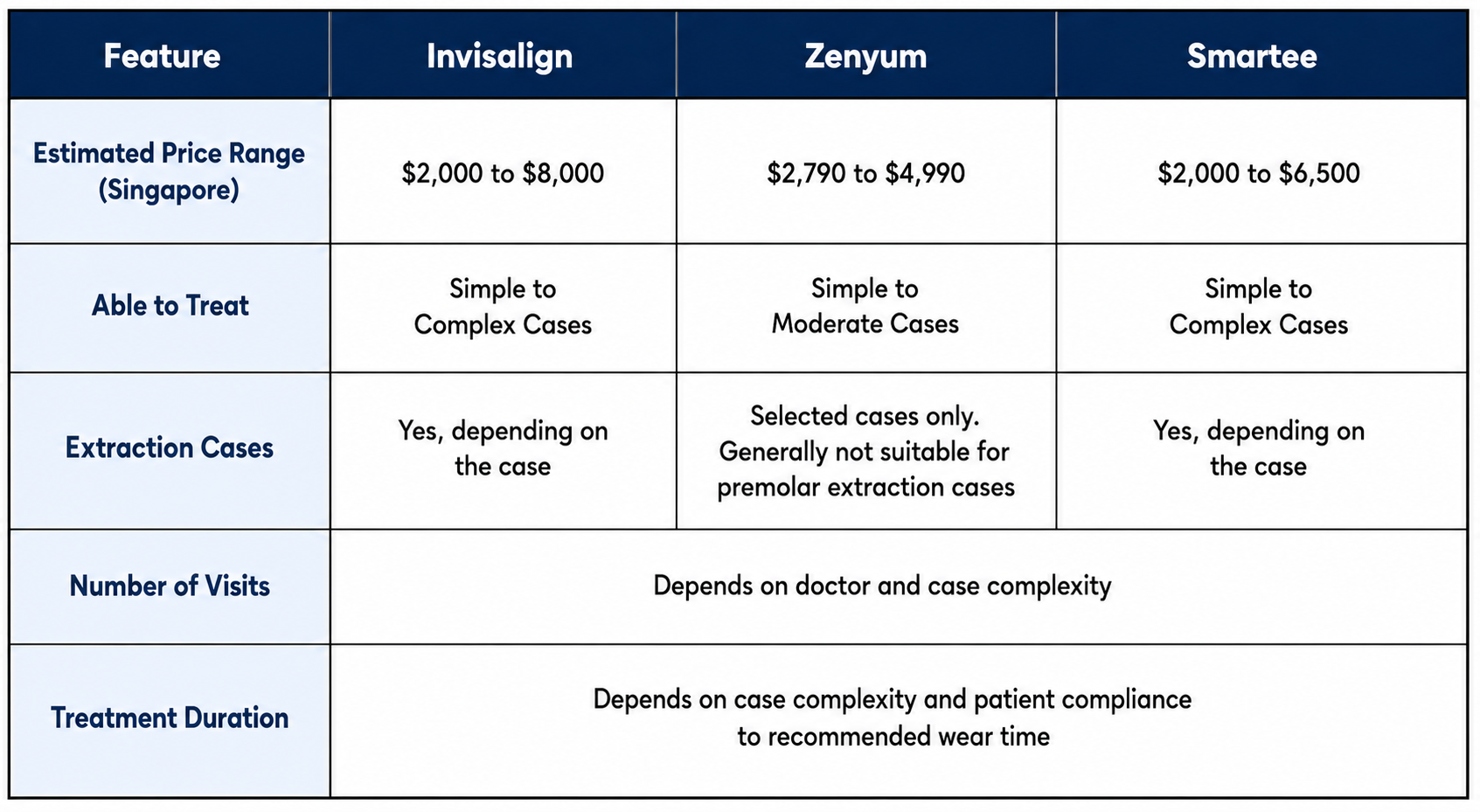
Costs
Costs for Invisalign and Smartee tend to vary quite a lot depending on the clinic, the doctor’s experience level, and the complexity of your case. For Zenyum, the price is more tightly set by the manufacturer, and as such, there is less variation of price between clinics.
A consultation with an experienced doctor can help determine which option is likely to be the most cost-effective and appropriate for your condition.
Effectiveness
In general, Invisalign is still considered by many doctors to be the gold standard in clear aligner therapy and is capable of treating most orthodontic cases. For more complex cases, doctors may still recommend fixed braces.
From my experience, most modern aligner systems tend to produce fairly similar outcomes in simpler cases. Example of simple cases include:
mild spacing or gaps,
mild to moderate crowding (crooked teeth),
and minor relapse after previous braces treatment (if you forget to wear your retainers).
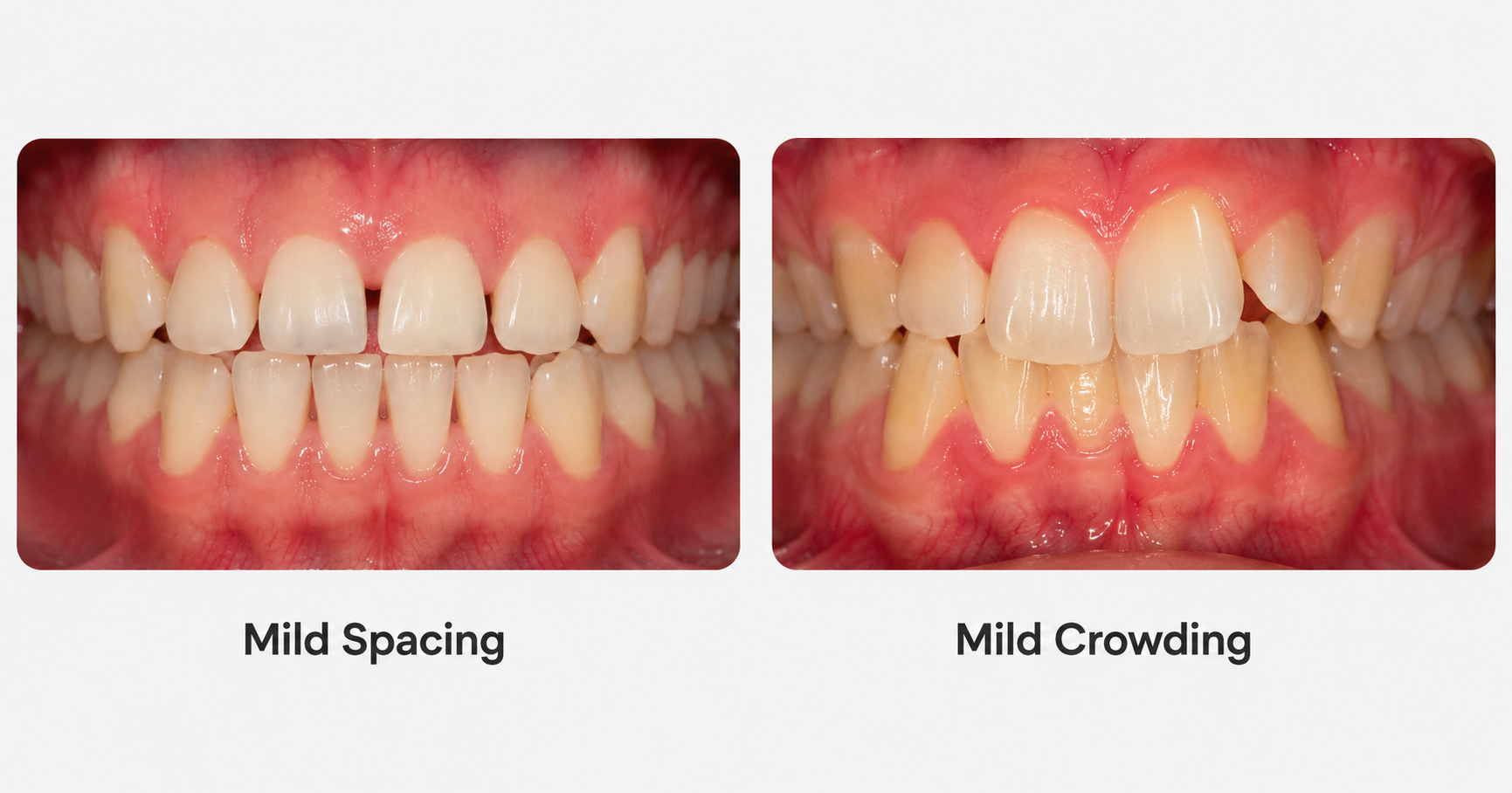
For simple cases, most aligner brands produce very similar treatment outcomes
Where differences between systems become more noticeable is in moderate to complex category.
Examples include:
bite correction,
extraction cases,
moderate to severe protrusion,
and jaw alignment issues.
These conditions require more advanced aligner capabilities to achieve predictable treatment outcomes. That said, systems such as Zenyum and Smartee can still achieve very good results in appropriately selected cases and in the hands of an experienced doctor.
For example, patients with very protrusive teeth may sometimes require premolar extractions to create space for the teeth to be pushed back. In these situations, Invisalign is generally preferred over Zenyum or Smartee due to the more difficult tooth movements. It should also be noted that traditional braces are still often considered by many to be the most reliable treatment option for premolar extraction cases.
Treatment Duration
Many aligner companies market their systems as being faster in an attempt to differentiate themselves. In reality, treatment duration depends on several important factors, including:
how complex the case is,
how compliant you are with the recommended wear time,
and how well your teeth respond to treatment.
More complex cases naturally take longer to complete.
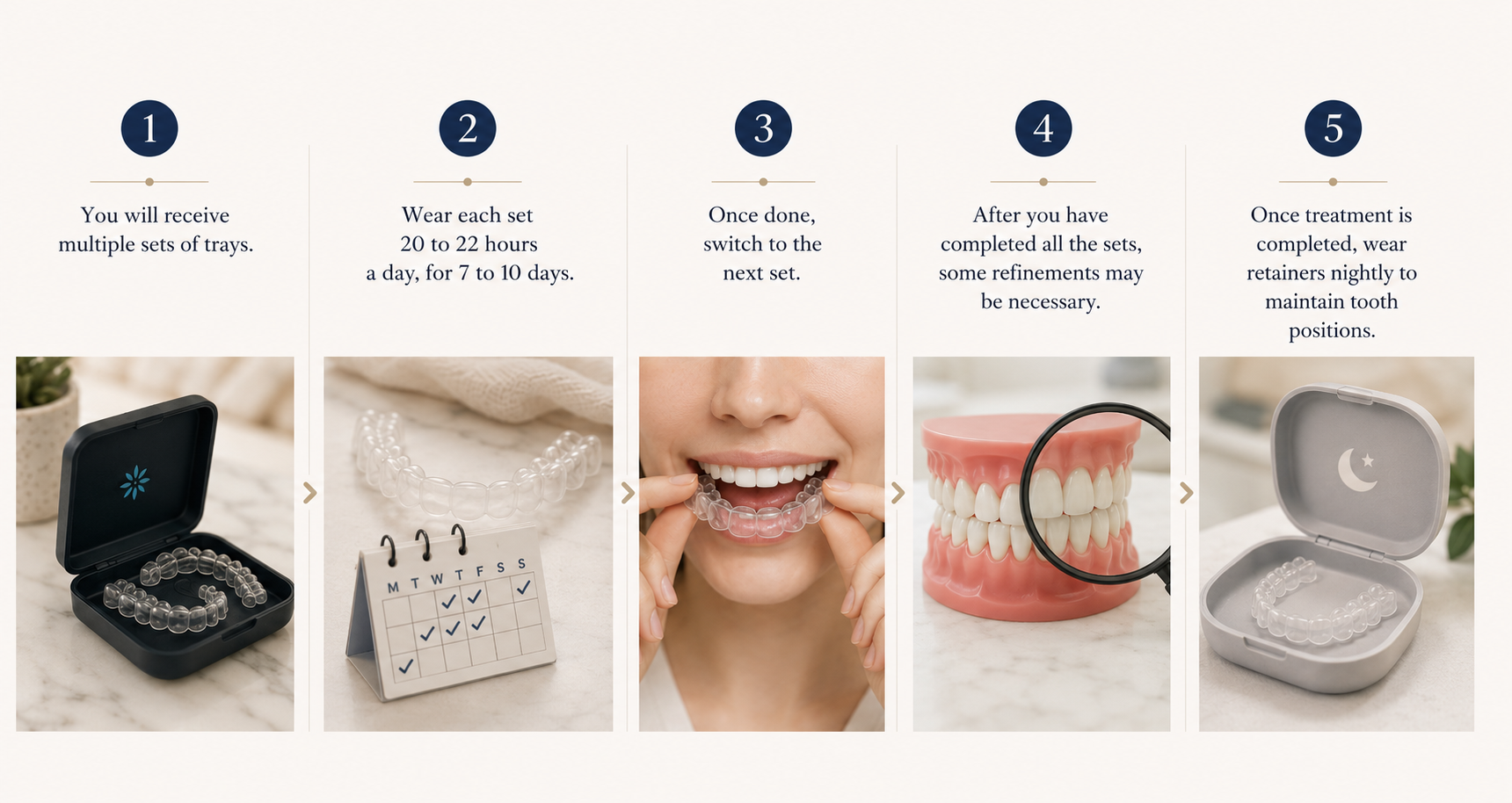
Clear Aligner Journey
Important Things to Know About Clear Aligners
Compliance Matters More Than Most Patients Realise
Unlike braces, clear aligners are removable. While this makes them more convenient and comfortable, treatment success also depends heavily on how consistently they are worn.
Patients are given a series of aligners, with each tray designed to gradually move the teeth towards the planned result. If aligners are not worn enough, teeth may stop tracking properly, leading to delays in treatment or less ideal outcomes.
Most aligner systems generally require 20 to 22 hours of wear per day for teeth to move predictably.Refinements are a Normal Part of the Process
One of the biggest misconceptions about clear aligners is that the simulated outcome shown at the beginning is guaranteed to happen exactly as planned.
In reality, teeth are biological structures, and human biology is not perfectly predictable. As treatment progresses, teeth may not always move exactly according to the original simulation. When this happens, additional aligners (refinements) may be required to achieve the intended result.
Refinements are relatively common in clear aligner therapy and are often part of achieving the best possible long-term outcome.
Extraction Cases Are Generally More Challenging
Clear aligners are highly effective for many orthodontic cases and, in many situations, may even produce better treatment outcomes than traditional braces. However, complex cases involving premolar extractions are generally more challenging to treat with clear aligners.
Interproximal Reduction (IPR)
Patients are sometimes surprised when their dentist mentions “filing between the teeth” during aligner treatment.
This process is known as interproximal reduction (IPR), where very small amounts of enamel are gently removed between selected teeth to create additional space for alignment. IPR is a fairly routine procedure and is a more conservative alternative to tooth extractions. When performed appropriately, it is generally considered safe and minimally invasive.
Attachments
Patients are often surprised to find small tooth-coloured “bumps” bonded onto certain teeth during aligner treatment. These are known as attachments.
Attachments help aligners grip the teeth more effectively and allow for more controlled and complex tooth movements. The number and size of attachments vary depending on the complexity of the case and the type of tooth movement required.
The Role of the Doctor
With traditional braces, adjustments are usually made regularly throughout treatment. Clear aligner treatment works a little differently, with much of the doctor’s involvement occurring earlier in the process - particularly during treatment planning, aligner design, and the initial stages of tooth movement.
Once treatment is progressing predictably, appointments are less frequent and more focused on monitoring progress, and intervening if something is not going according to plan.
Which Aligner System Is Most Suitable For You?
Invisalign
If your budget allows for it, Invisalign is considered to be the most effective treatment option. It is able to treat a large spectrum of cases, from very simple to more complex cases involving difficult tooth movements, bite correction or extractions.
Smartee
Smartee is capable of treating a wide range of cases, similar to Invisalign, while often being more affordable. For the more complex cases, suitability can vary. It is best to allow your doctor to assess your case in the clinic and advise on the most appropriate treatment option.
Zenyum
Zenyum is most suitable for simple to moderate cases, and selected complex cases - depending on the experience of the treating doctor. It is often an affordable option for many patients.
Final Thoughts
Successful treatment outcomes still depend heavily on proper case selection, treatment planning and doctor experience. For simpler cases, most modern aligner systems produce very similar outcomes. As cases become more complex, the subtle differences between systems become increasingly important.
The best aligner system is therefore not simply the most expensive or the most premium, but the one that is most appropriate for your orthodontic condition, treatment goals and budget.
Please note that this article is intended for general educational purposes and is based on clinical experience and current scientific evidence.
Sources:
The Treatment Effects of Invisalign Orthodontic Aligners: A Systematic Review — Manuel O. Lagravere, Carlos Flores-Mir
Variables Affecting Orthodontic Tooth Movement with Clear Aligners — Justin R. Chisari, Susan P. McGorray, Madhu Nair, Timothy T. Wheeler
Management of Overbite with the Invisalign Appliance — Roozbeh Khosravi, Bobby Cohanim, Philippe Hujoel, Sam Daher, Michelle Neal, Weitao Liu, Greg Huang
Torquing an Upper Central Incisor with Aligners: Acting Forces and Biomechanical Principles — Wolfram Hahn, Antonia Zapf, Henning Dathe, Julia Fialka-Fricke, Susanne Fricke-Zech, Rudolf Gruber, Dietmar Kubein-Meesenburg, Reza Sadat-Khonsari