When Does My Child Need Braces?
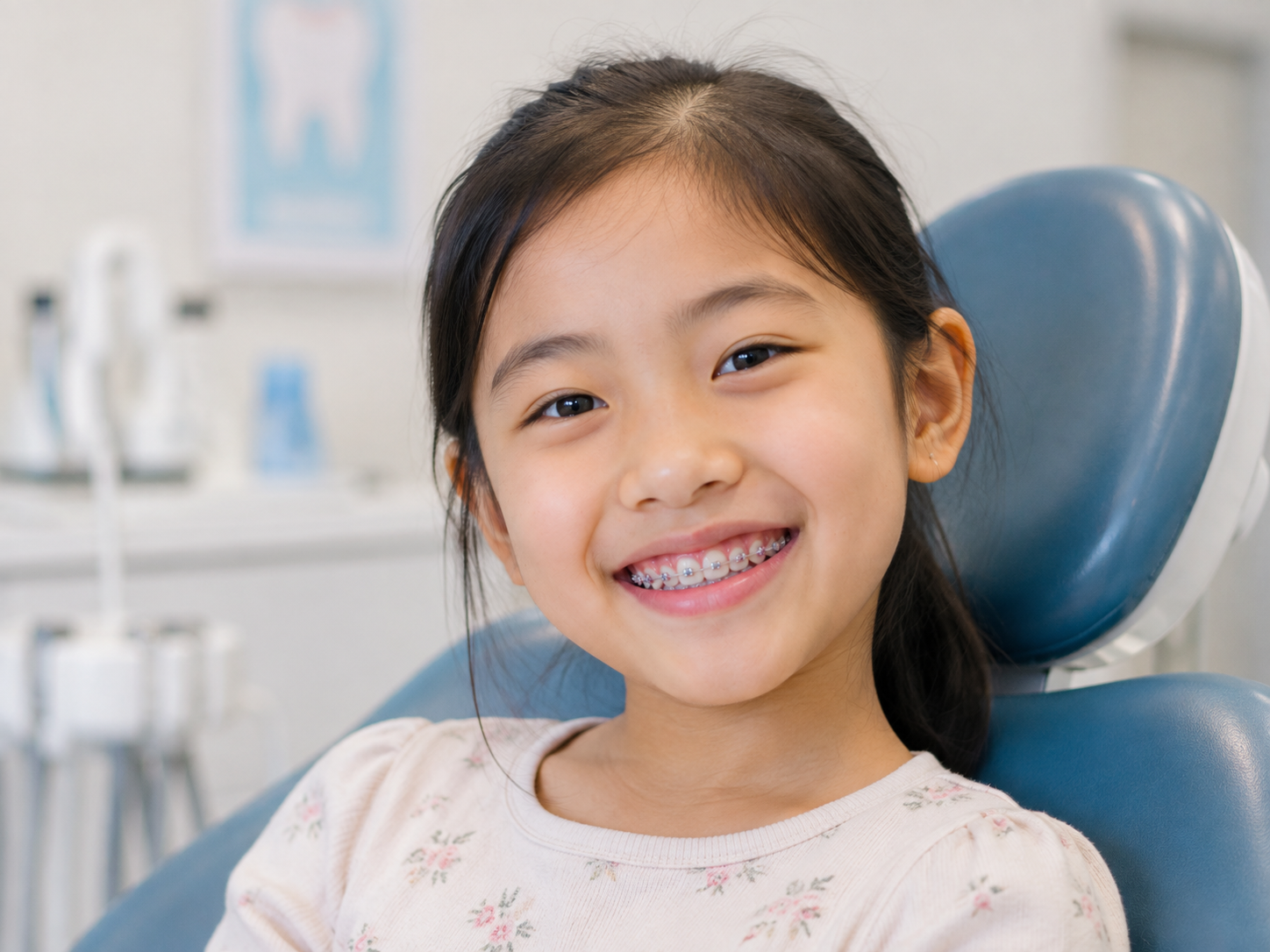
‘My child is only 8. Isn’t it too early for braces?’ It’s a question I hear from many parents.
The truth is, there’s no right age to start orthodontic treatment. Some children are better off waiting until more of their permanent teeth have come in, while others benefit from treatment while they are still growing.
Early orthodontic treatment, also known as Phase 1 treatment, is about identifying problems while there is still time to guide the development of the teeth and jaws. For the right child, addressing these problems early can lead to improved treatment outcomes and simplify future orthodontic treatment.
What is Early Orthodontic Treatment?
Early orthodontic treatment is usually considered during the mixed dentition stage, when a child has a combination of baby teeth and permanent teeth. This is often around 7 to 10 years of age.
Treatment is focused on guiding jaw development, correcting the way the teeth bite together, creating space for permanent teeth, or addressing habits that may affect dental development.
5 Signs Your Child May Benefit An Orthodontic Assessment
Crossbite
A crossbite occurs when some of the upper teeth bite inside the lower teeth. If left untreated, crossbites can affect the development of a child’s bite and jaw growth.
Significant Crowding
If there is insufficient space for permanent teeth to come out, teeth may become crowded, rotated or impacted.
Jaw or Bite Asymmetry
If your child's lower jaw appears to shift to one side when biting, or their bite looks noticeably uneven, it is worth having this assessed. Some bite problems are easier to address while the jaws are still developing.
Protruding Front Teeth
Front teeth that stick out significantly may be more vulnerable to injury, particularly during sports. Early treatment can reduce the prominence of these teeth and lower the risk of dental trauma.
Persistent Habits
Thumb sucking, prolonged pacifier use or tongue-thrusting habits can influence the position of the teeth and the development of the bite.
Benefits of Early Orthodontic Treatment
Early orthodontic treatment may help to:
Guide jaw and dental development
Functional appliances such as Twin Block appliances can help influence the relationship between the upper and lower jaws while your child is growing. Other options may include Herbst appliances or reverse-pull headgear, depending on the type of jaw discrepancy.Create or preserve space
Palatal expanders can widen the upper jaw and create space for developing permanent teeth. Space maintainers can also help prevent future dental problems when baby teeth are extracted prematurely.Reduce the risk of dental trauma
For children with protruding front teeth, partial braces (2×4 braces) or clear aligners can be used to improve the position of the front teeth and reduce their prominence.Correct developing bite problems
Appliances such as 2×4 braces, clear aligners, palatal expanders, removable orthodontic appliances or functional appliances are useful in addressing bite problems.
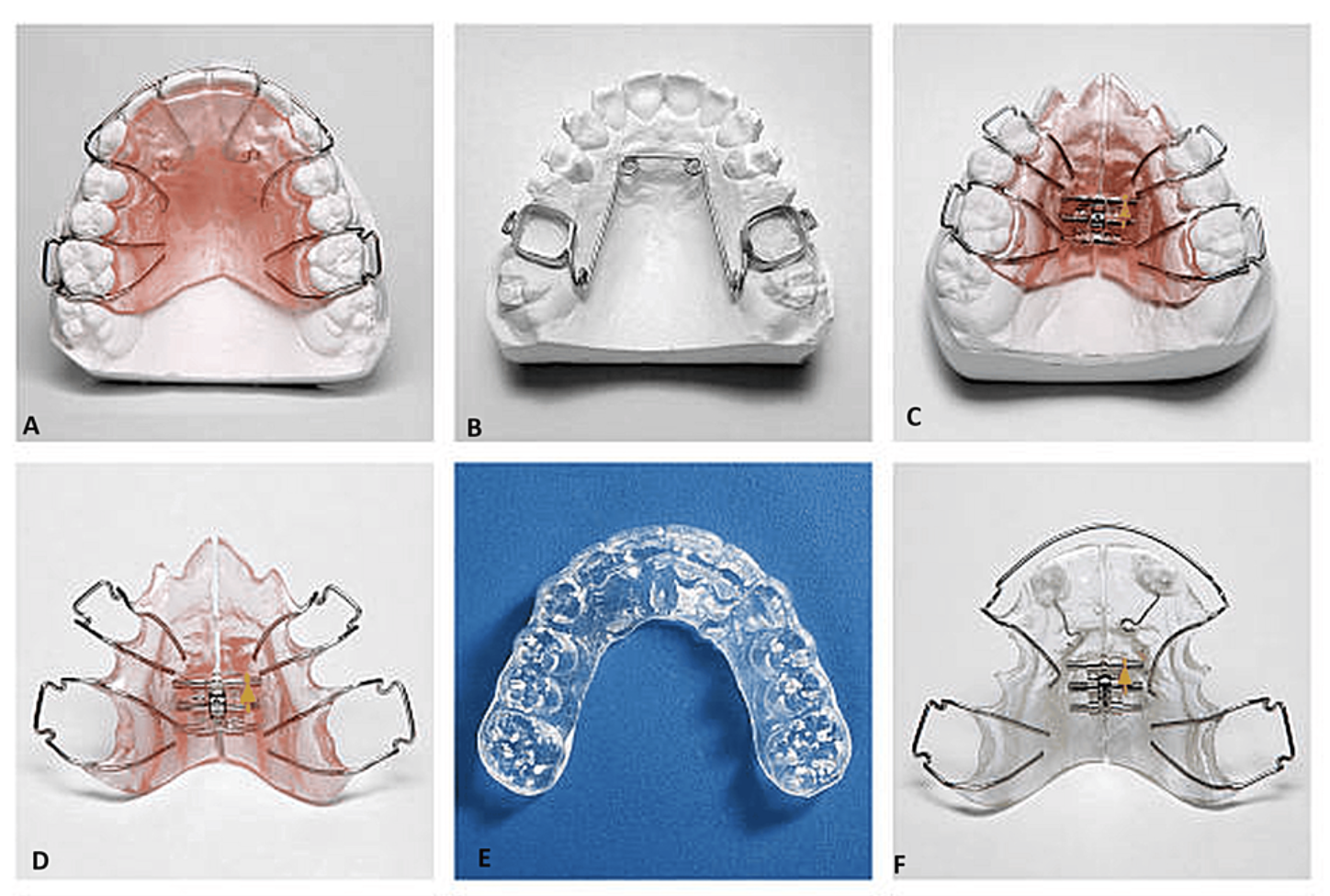
Examples of Orthodontic Appliances
Source: Jha A, Shree R, Jha S, et al. (November 15, 2023) A Comparative Assessment of Acceptance of Different Types of Functional Appliances.
What Does Treatment Involve?
Treatment will depend on your child’s individual needs. Some children may benefit from a palatal expander or functional appliance, while others may need partial braces.
Treatment duration is around 6 to 12 months, and varies depending on your child’s condition.
Should We Wait Until All the Adult Teeth Come In?
Sometimes, yes.
Many orthodontic problems are best treated once most of the permanent teeth have erupted. Starting treatment too early, when there is no clear benefit, can simply lead to a longer overall treatment journey.
However, certain orthodontic conditions such as crossbites and jaw discrepancies benefit significantly from early treatment.
When Should My Child See an Orthodontist?
The American Association of Orthodontists recommends that children have their first orthodontic check-up by age 7. This does not mean your child needs braces at 7 – it simply gives us an opportunity to identify developing problems and decide whether treatment is required.
If your child is around 7 to 10 years old and you’re unsure whether their teeth or bite are developing normally, an orthodontic assessment can provide clarity.
Early orthodontic treatment isn’t about getting braces as young as possible. It’s about recognising problems early and choosing the right time to treat them.
Please note that this article is intended for general educational purposes and is based on clinical experience and current scientific evidence.
Sources:
American Association of Orthodontists. Why Kids Should See an Orthodontist by Age 7.
American Association of Orthodontists. Is There a Benefit to Early Treatment?
American Academy of Pediatric Dentistry. Management of the Developing Dentition and Occlusion in Pediatric Dentistry.
Jha A, Shree R, Jha S, et al. (November 15, 2023) A Comparative Assessment of Acceptance of Different Types of Functional Appliances.