Why Does My Tooth Hurt?
Introduction
A toothache can range from a mild annoyance to severe, throbbing pain that makes it difficult to eat, sleep, or concentrate. While some dental pain settles temporarily, it is often your body's way of telling you that something isn't right.
Whether you're experiencing tooth pain, gum pain, pain when biting, or sensitivity to hot and cold, it's important to identify the underlying cause before it becomes a more serious problem.
Common Causes of Tooth Pain
Tooth Decay (Cavities)
One of the most common causes of toothache is tooth decay. As bacteria break down the tooth, the cavity gradually moves closer to the nerve.
Symptoms may include:
Sharp pain when eating sweets
Sensitivity to cold or hot drinks
Pain that comes and goes
Food getting stuck between teeth
Small cavities can often be treated with a simple filling. However, once decay reaches the nerve, more extensive treatment such as root canal therapy may be required.
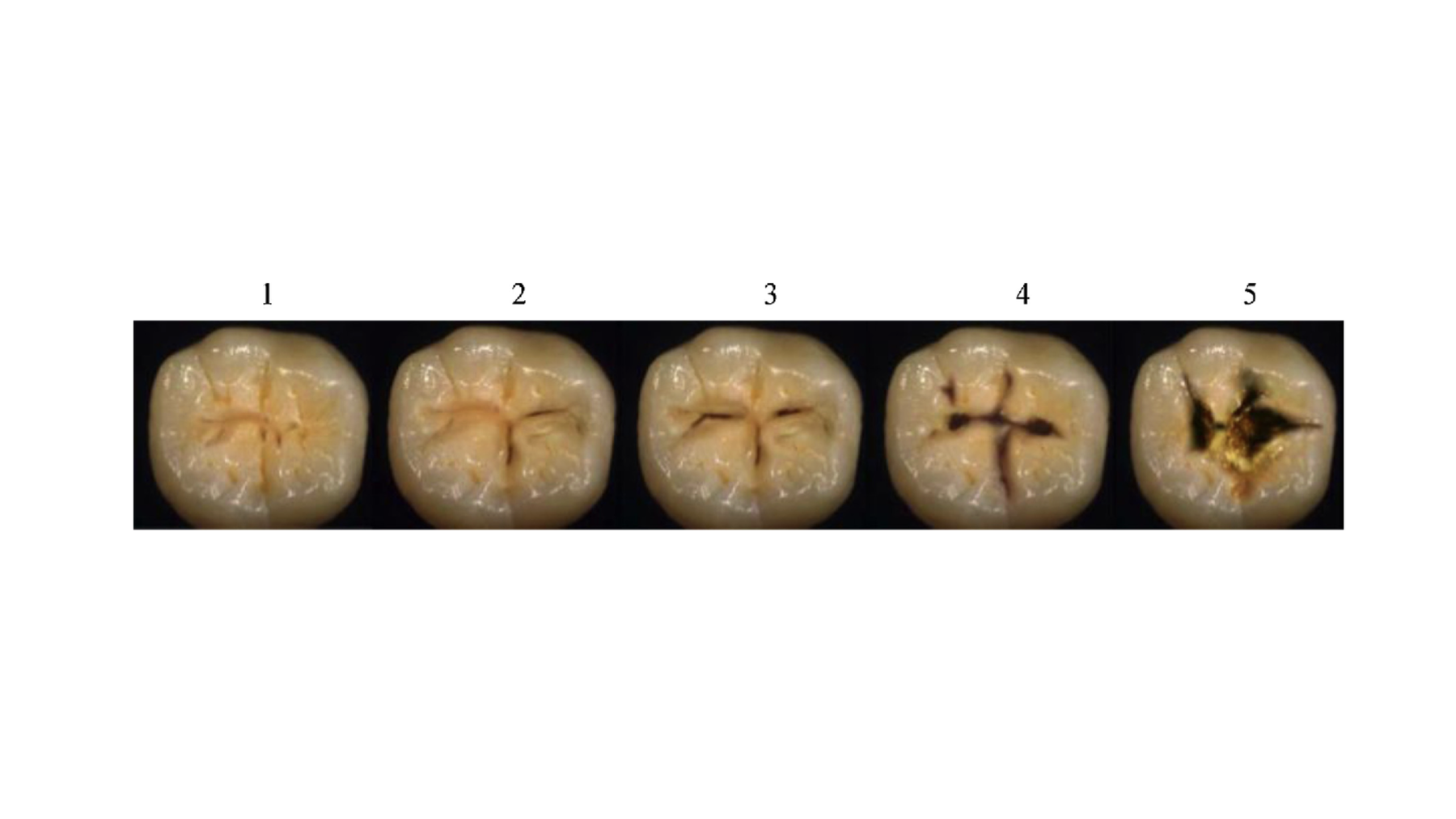
Tooth Decay
(Source: Norwegian Dental Journal)
Cracked or Broken Teeth
Not all cracks are visible. Cracked teeth can be difficult to visualise, and even a tiny crack can cause significant discomfort.
Common symptoms include:
Pain when biting down
Pain that disappears once you stop biting
Sensitivity to cold
Occasional sharp, difficult-to-locate pain
Treatment depends on how deep the crack extends and may range from a filling or crown to root canal treatment or, in severe cases, extraction.
Tooth Infection (Dental Abscess)
Symptoms may include:
Constant throbbing pain
Swelling of the face or gums
Pain that keeps you awake at night
Bad taste or discharge in the mouth
Pain when chewing
An infected tooth usually requires prompt treatment. Depending on the condition of the tooth, this may involve root canal treatment or extraction.
Gum Disease
Sometimes the pain isn't coming from the tooth itself. Inflamed or infected gums can become sore, swollen, and tender, particularly when brushing or chewing.
Signs of gum disease include:
Bleeding gums
Swollen or red gums
Bad breath
Loose teeth
Gum tenderness
Professional cleaning and gum treatment can often prevent the condition from progressing.
Wisdom Tooth Pain
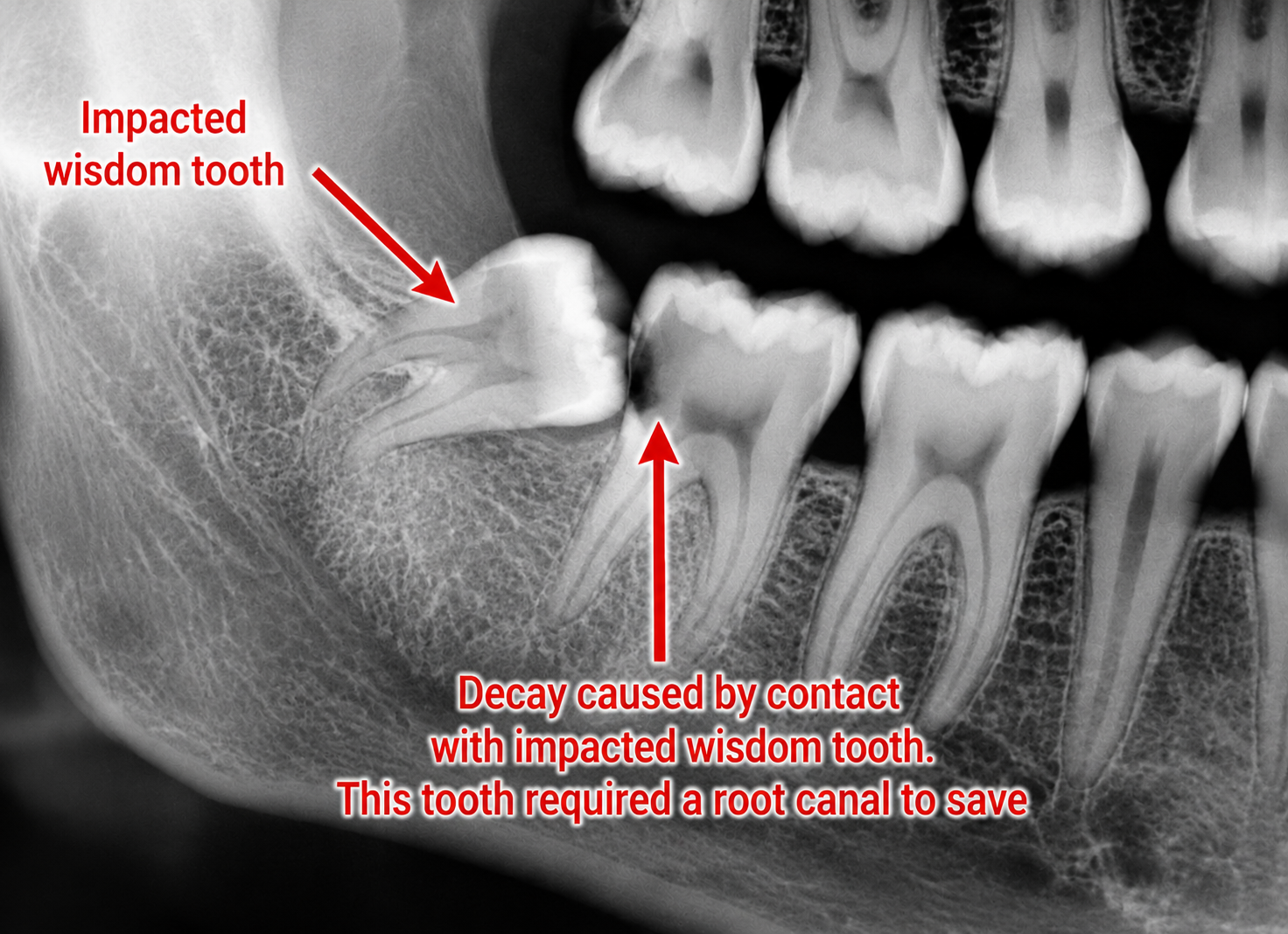
Wisdom teeth commonly become painful when there isn't enough room for them to erupt properly. They can also trap food and bacteria, increasing the risk of decay and gum infections around both the wisdom tooth and the tooth beside it.
Symptoms include:
Pain at the back of the mouth
Swollen gums around the wisdom tooth
Difficulty opening the mouth
Pain when swallowing
Food trapping around the area
If recurrent infections occur, removal of the wisdom tooth may be recommended.
Teeth Grinding (Bruxism)
Grinding or clenching your teeth, especially during sleep, can overload the teeth and jaw muscles.
Symptoms may include:
Generalised tooth soreness
Jaw pain
Morning headaches
Worn or chipped teeth
Facial muscle fatigue
A custom night guard may help reduce further damage.
Frequently Asked Questions About Toothaches and Tooth Pain
Why does my tooth hurt?
Tooth pain can have many causes, including tooth decay, a cracked tooth, gum disease, a dental infection, teeth grinding (bruxism), or problems with a wisdom tooth. Because different conditions can produce similar symptoms, a dental examination is usually needed to determine the exact cause.
Why does my tooth hurt when I bite down?
Pain when biting is commonly caused by a cracked tooth, an inflamed nerve, a loose filling, or an infection around the root of the tooth. It may also occur if a recent filling is too high and places excessive pressure on the tooth when you bite.
Why is my tooth throbbing?
A throbbing toothache often indicates inflammation or infection inside the tooth. While pain medication may provide temporary relief, the underlying cause usually requires dental treatment. Persistent throbbing pain should not be ignored.
Why does my gum hurt around one tooth?
Pain around a single tooth may be caused by trapped food, gum inflammation, a gum abscess, a cracked tooth, or an erupting wisdom tooth. Because the source of the pain isn't always obvious, a dentist can determine whether the problem is affecting the gums, the tooth, or both.
Can a toothache go away on its own?
Some toothaches improve temporarily, but this doesn't necessarily mean the problem has resolved. In many cases, the underlying issue continues to progress silently. Early treatment can often prevent more complex procedures later.
How do I know if my toothache is serious?
You should seek prompt dental care if you have severe pain, swelling of the face or gums, pain that lasts more than one or two days, fever, difficulty swallowing, or difficulty opening your mouth. These symptoms may indicate an infection that requires urgent treatment.
Can a sinus infection or flu cause tooth pain?
Yes. Because the roots of the upper back teeth sit close to the sinuses, sinus inflammation can sometimes create pressure that feels like a toothache. A dental examination helps determine whether the pain is coming from the teeth or the sinuses.
Should I see a dentist for tooth pain?
If your tooth pain persists, recurs, or is severe enough to affect eating or sleeping, you should arrange a dental examination. Identifying the cause early often allows for simpler and less invasive treatment.
What should I do if I have a severe toothache?
While waiting to see a dentist, avoid chewing on the affected side, keep the area clean, and take pain relief if appropriate for you. These measures may ease discomfort temporarily but will not treat the underlying cause.
Can stress cause tooth pain?
Stress itself doesn't usually cause tooth pain, but it can contribute to teeth grinding or jaw clenching (bruxism), which places excessive force on the teeth and jaw. This can lead to tooth sensitivity, jaw discomfort, headaches, and worn teeth.
Can wisdom teeth cause tooth or gum pain?
Yes. Wisdom teeth commonly cause pain when they don't have enough space to erupt properly.
What is the difference between tooth pain and gum pain?
Tooth pain usually originates from the tooth itself, such as decay, cracks, or infection. Gum pain affects the soft tissues surrounding the teeth and is often caused by gum disease, trapped food, ulcers, or wisdom tooth inflammation. Because the symptoms can overlap, a professional examination is often needed to identify the source.
Can tooth pain be a sign of infection?
A tooth infection can cause severe or throbbing pain, swelling, and pain when biting. Prompt dental treatment is usually needed.
Please note that this article is intended for general educational purposes and is based on clinical experience and current scientific evidence.
Sources:
Berman LH, Hargreaves KM. Cohen's Pathways of the Pulp. 12th ed. St. Louis, MO: Elsevier; 2020.
American Association of Endodontists. Endodontic Diagnosis and Treatment Planning. Chicago, IL: American Association of Endodontists.
European Federation of Periodontology. Sanz M, Herrera D, Kebschull M, et al. Treatment of Stage I–III Periodontitis—The EFP S3 Level Clinical Practice Guideline.Journal of Clinical Periodontology. 2020;47(S22):4–60.